

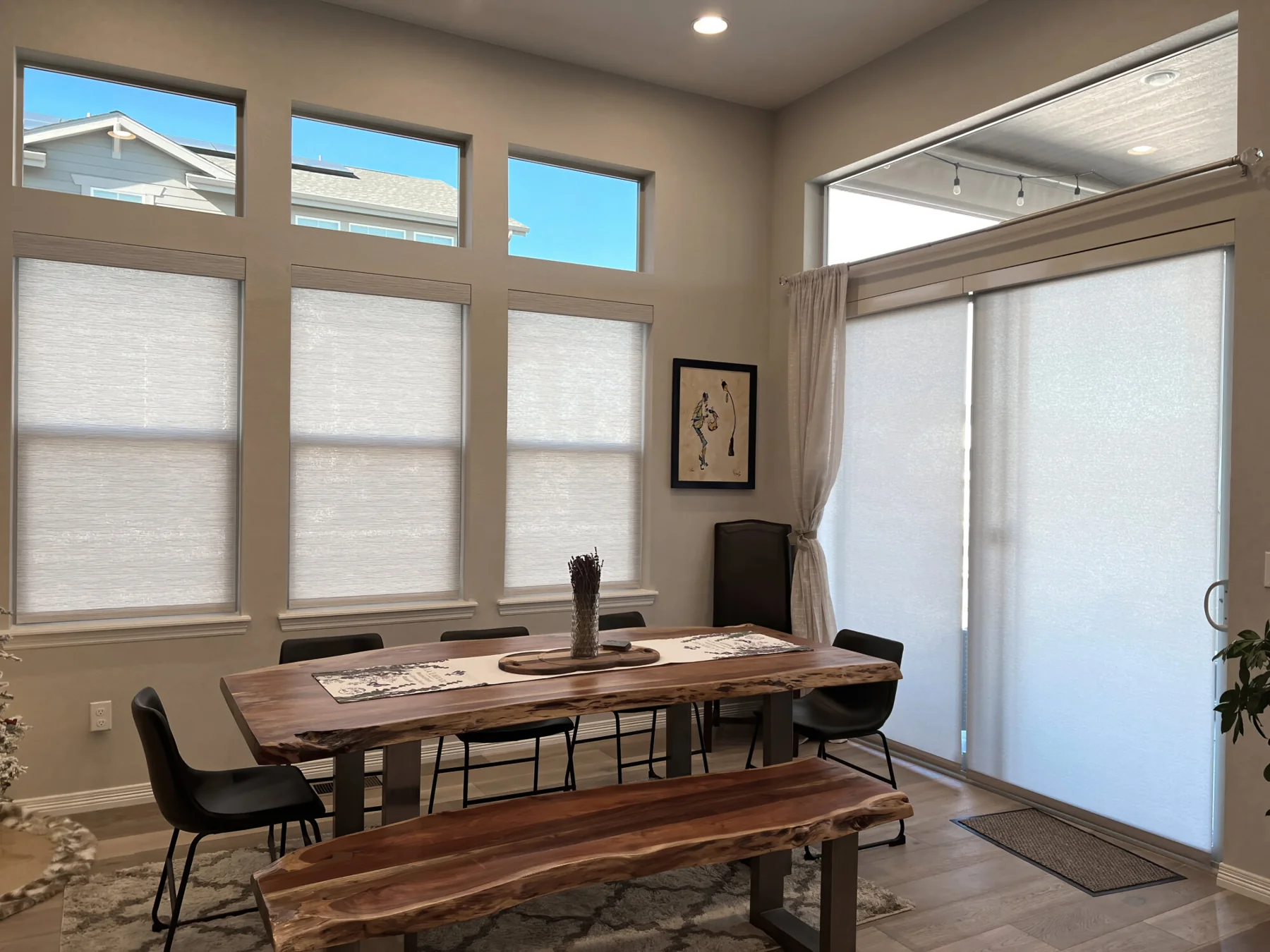
Start with the reason for motorization.
A tall window, several shades used together or a room with a repeated daily routine may benefit from motorized operation. Describe what you want to be easier: reaching the shade, moving a group at once or including it in a broader control arrangement.
The goal helps determine which features matter. A handheld control may suit one household, while another needs a carefully coordinated integration with an existing system.
Choose the power approach for the opening.
Rechargeable battery and wired directions create different planning questions. Think about access for charging, the location of power and the stage of the project. A renovation may provide an opportunity to coordinate wiring before walls are finished; an existing room may have different practical constraints.
Solar-powered exterior options are a separate, eligibility-dependent direction. “Solar shade” often describes solar-screen fabric and does not mean the motor is powered by sunlight.
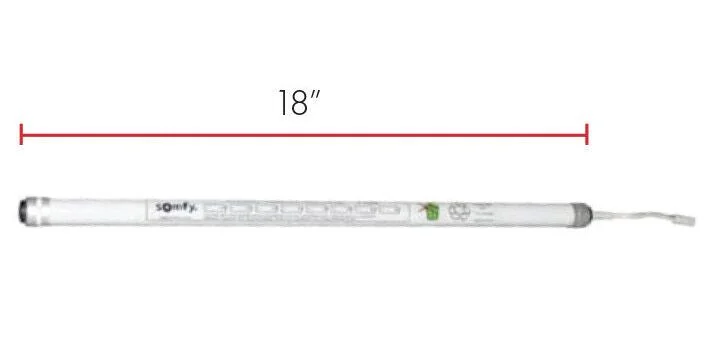
Specify the control platform accurately.
Insolroll describes multiple control and integration paths, including different motor and communication systems. A brand name alone is not enough to establish that a particular shade will work with a particular controller. Record the exact platform and model when you know them.
Compatibility must be checked for the selected motor, interface and intended behavior. Avoid treating phrases such as “smart home ready” as a universal promise.
Consider everyday operation and maintenance.
Ask how the household will normally operate the shades and who needs to understand the controls. A simple, accessible routine matters more than a long feature list. Consider what happens when a rechargeable motor needs attention or when the control arrangement changes.
Any electrical work should be coordinated with the appropriate professional. Power planning is part of the project sequence, not an assumption to resolve after the shade has been selected.
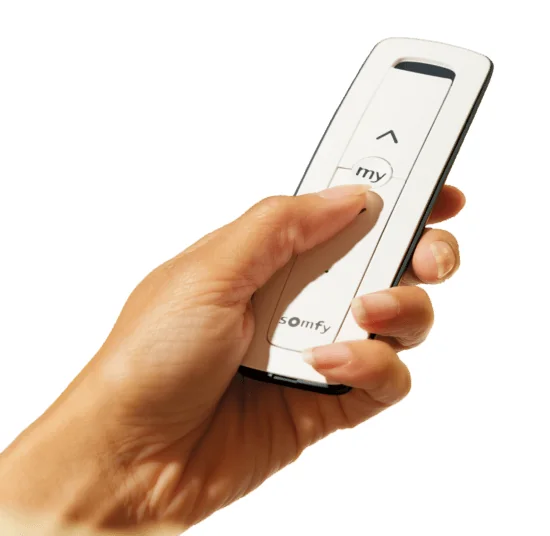
Bring a complete set of questions.
A useful motorization brief includes the rooms, approximate number of openings, mounting conditions, power preference and any existing control system. Add the operations you want: individual shades, groups or a particular integration.
Sara can then discuss which product directions warrant review and what information is still needed. The final specification should name the relevant components and confirm the desired behavior for the actual project.
Write a Motorization Brief That Names the Behavior
Instead of requesting “smart shades,” describe the action: one bedside remote moves two bedroom shades together, while a living-room group operates separately. Then identify whether app access, schedules or a named home-control system are actually required.
Record how each opening will receive power and how that power source can be serviced. A rechargeable motor needs a workable charging arrangement; a wired system needs coordination before installation. Solar-screen fabric is unrelated to solar charging.
Before approving the system, ask what works through a physical control and what depends on additional equipment or connectivity. Do not infer internet-outage behavior from the word motorized. The selected motor, remote, hub and integration determine those details.
Compare the Choices
| Choice or situation | What to consider | What to check |
|---|---|---|
| Power | Battery, wired or an eligible exterior solar-powered arrangement. | Confirm access and installation requirements. |
| Local control | Individual or grouped operation from a compatible control. | Name which shades should move together. |
| Connected control | App, schedules or a particular integration. | Verify exact components and desired behavior. |
Put This into Practice
- List openings by room and intended group.
- Provide existing control-system model information.
- Ask how charging, service and manual controls will be managed.
Product References
Consult the manufacturer’s information and confirm the exact specification for your project.