

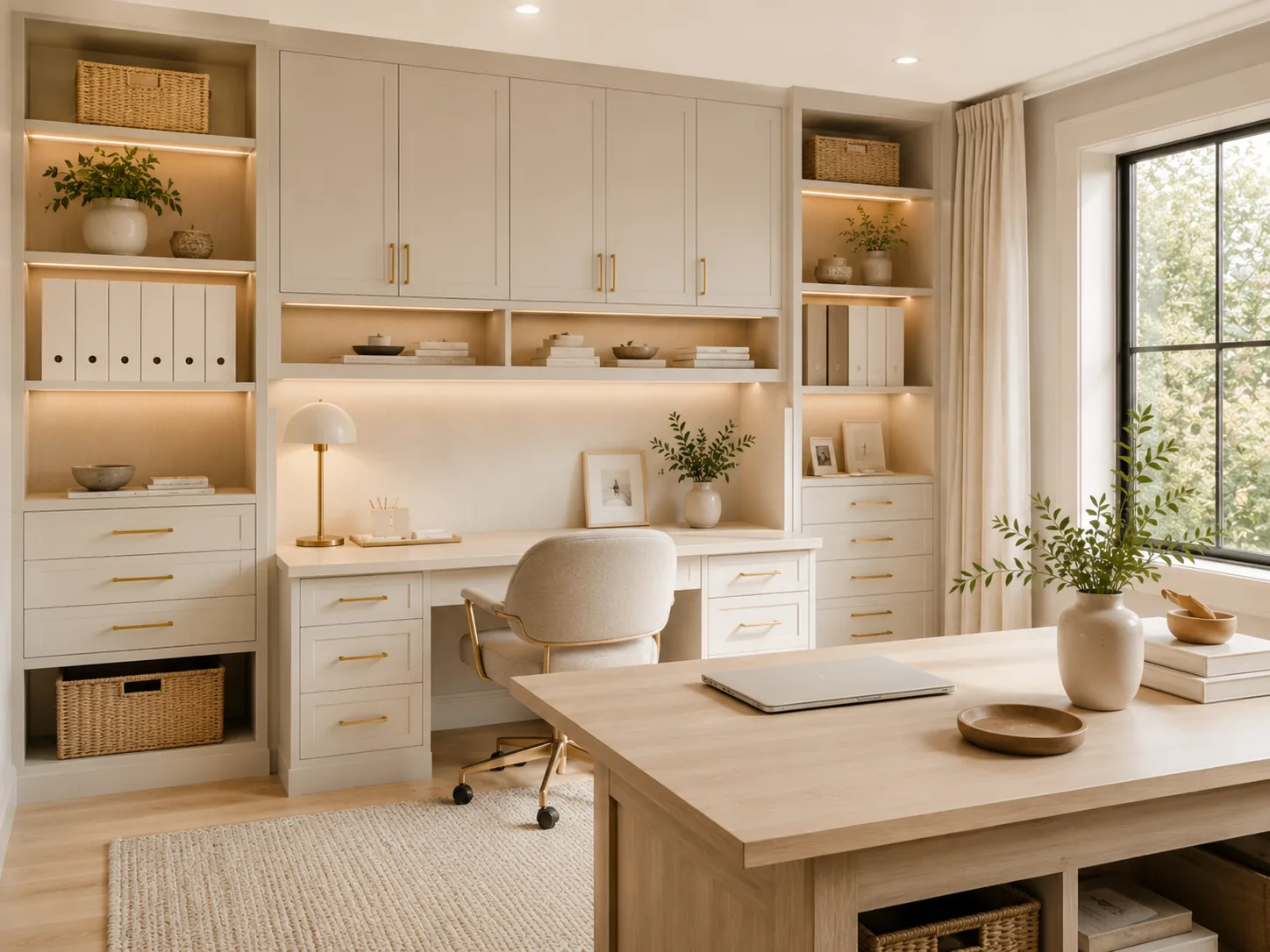
Describe the work before arranging the furniture.
Video meetings, household paperwork and hands-on projects use a room differently. List the equipment and supplies used in an ordinary week, including temporary items such as incoming paperwork. Identify what must remain accessible while you work.
This helps distinguish a real working surface from a display surface. It also prevents a design from devoting too much storage to categories that rarely enter the room.
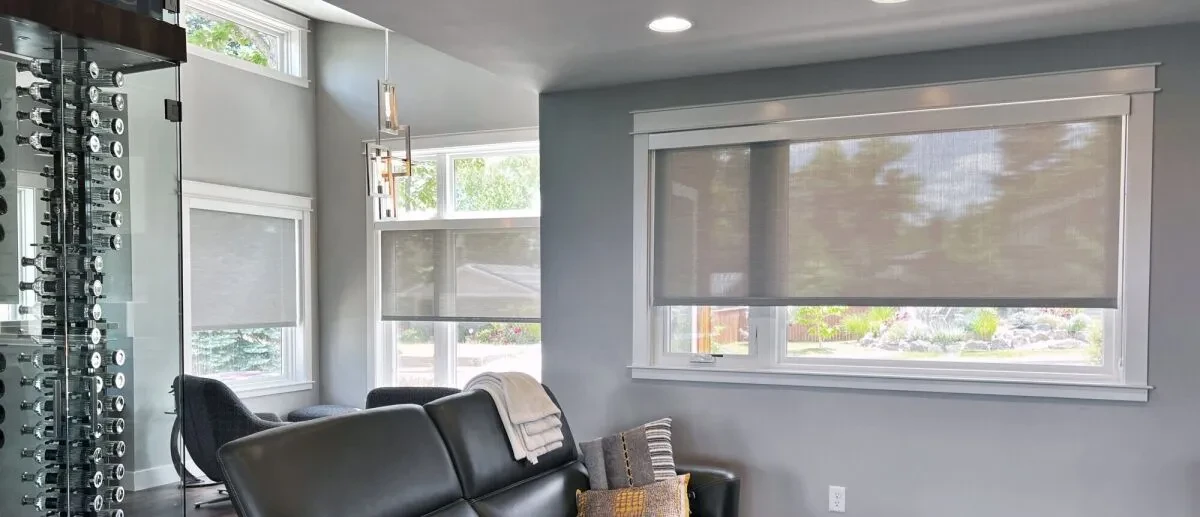
Consider the screen and the window together.
Observe the room at the times you normally work. A bright window behind or beside a monitor can create a different problem from direct light across the screen. Think about the view you want to keep and the level of daylight you find comfortable.
Shade selection begins with those goals. Interior solar-screen fabric, privacy fabric and blackout fabric are different directions, and the right choice depends on the room’s use rather than the label “office.”
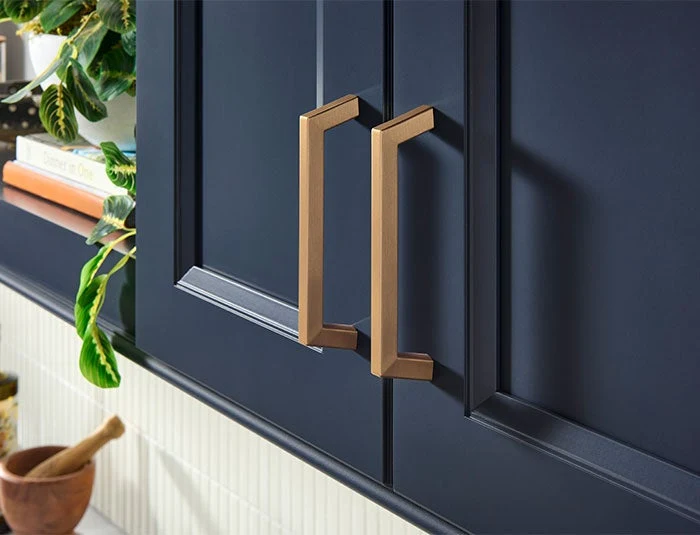
Do not overlook evening privacy.
A workspace used after dark may need a different privacy approach from the one that feels comfortable during the day. Solar screen fabric should not be treated as a reliable nighttime privacy solution by itself. Discuss the evening lighting and the view from neighboring properties.
Where different daytime and nighttime functions matter, a layered shade arrangement may be worth reviewing. The opening and mounting conditions determine what can be specified.
Give equipment the space it needs.
A printer requires access for paper, output and maintenance. Other equipment may have ventilation or cable requirements. Confirm those needs using the relevant product information before enclosing the device.
Plan outlets and cable routes with the cabinet layout, involving an appropriate professional for electrical changes. A small access detail can matter more to daily usability than an extra shelf.
Make the room easy to close down.
At the end of the day, papers and small supplies need a home that does not consume the working surface. A mix of drawers, shelves and concealed storage can support that reset. If the office shares a living space, consider what remains visible when work is finished.
Bring photographs taken during the working day, a list of equipment and your window concerns. Together they give a more complete brief than a room photograph taken after everything has been cleared away.
Observe the Room During a Real Work Session
Use the office at the time glare is worst. Note whether the problem is sunlight on the display, a bright window in your field of vision or light affecting video calls. Photograph the screen and window relationship rather than only the window.
Then list the items that occupy the desk by the end of the day. A printer may need an accessible paper path; papers may need an incoming tray rather than a deep cabinet. Plan those locations alongside the shade so the solution addresses both the visual conditions and the working routine.
Compare the Choices
| Choice or situation | What to consider | What to check |
|---|---|---|
| Screen glare | Review workstation position and a suitable shade fabric. | Preserve the daylight and view you actually want. |
| Video calls | Consider the window relative to the camera and user. | Evaluate at typical meeting times. |
| Shared living/work room | Combine accessible work storage with a reset routine. | Discuss nighttime privacy separately. |
Put This into Practice
- Record when glare appears.
- Include equipment access and ventilation requirements.
- List what must remain accessible while seated.
Product References
Consult the manufacturer’s information and confirm the exact specification for your project.